Feature: Job Discovery & Matching
Show employees roles that match what they can actually do.
Job Discovery & Matching uses skills, goals, and profile context to surface relevant roles — internal openings plus jobs Ture sources from across the web — that employees apply to through the platform, with progress tracked end to end.
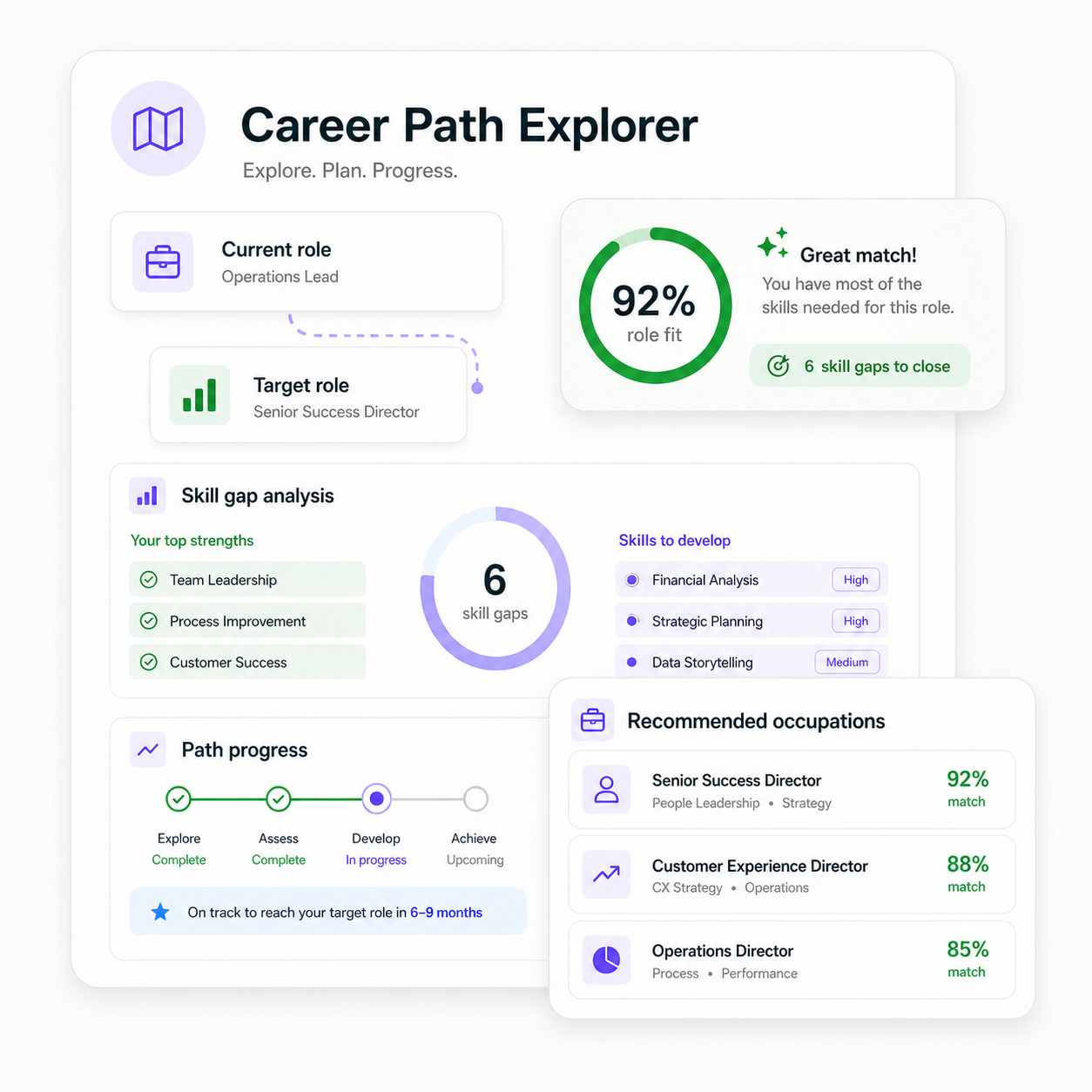
How it works
From integration to outcome
Start From SkillsID
Use the participant's skills profile, goals, and background to guide discovery.
Rank Better-Fit Roles
Prioritize roles that align with transferable skills, adjacent paths, and readiness.
Give Coaches Useful Context
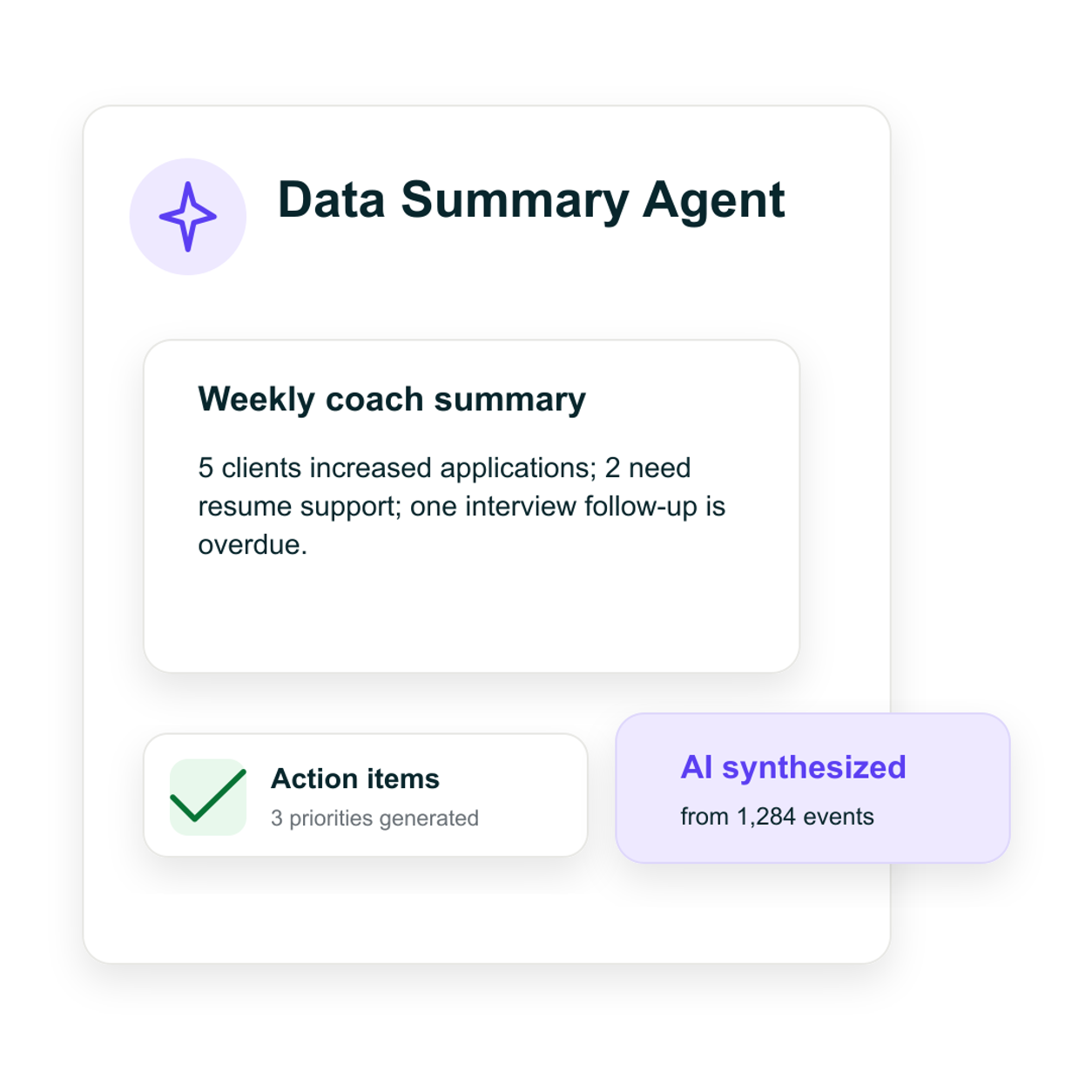
Use matching context to make coaching conversations more specific and actionable.
Better-fit roles, sooner.
Skills-informed matching that improves search quality and reduces wasted effort.
The Problem
Search feels heavier when every role starts as a blank page.
During transition, employees can spend hours scanning roles that are poorly matched to their experience, goals, or transferable skills. The more irrelevant the search becomes, the harder it is to keep energy focused on useful next steps.
Learn more
The Solution
Job Discovery & Matching gives the search a better starting point.
Instead of asking participants to search from scratch, Ture surfaces opportunities through a skills-informed lens. It is the same matching engine that powers the Talent Exchange, where employers discover candidates name-blind, by skills. Employees see better-fit roles sooner, and coaches can focus support around realistic paths.
See How It WorksSkills-Informed Role Matching
Make the job search more relevant and improve the quality of support being delivered.
More Focused Search Direction
Reduce search noise and help employees move with more direction and less friction.
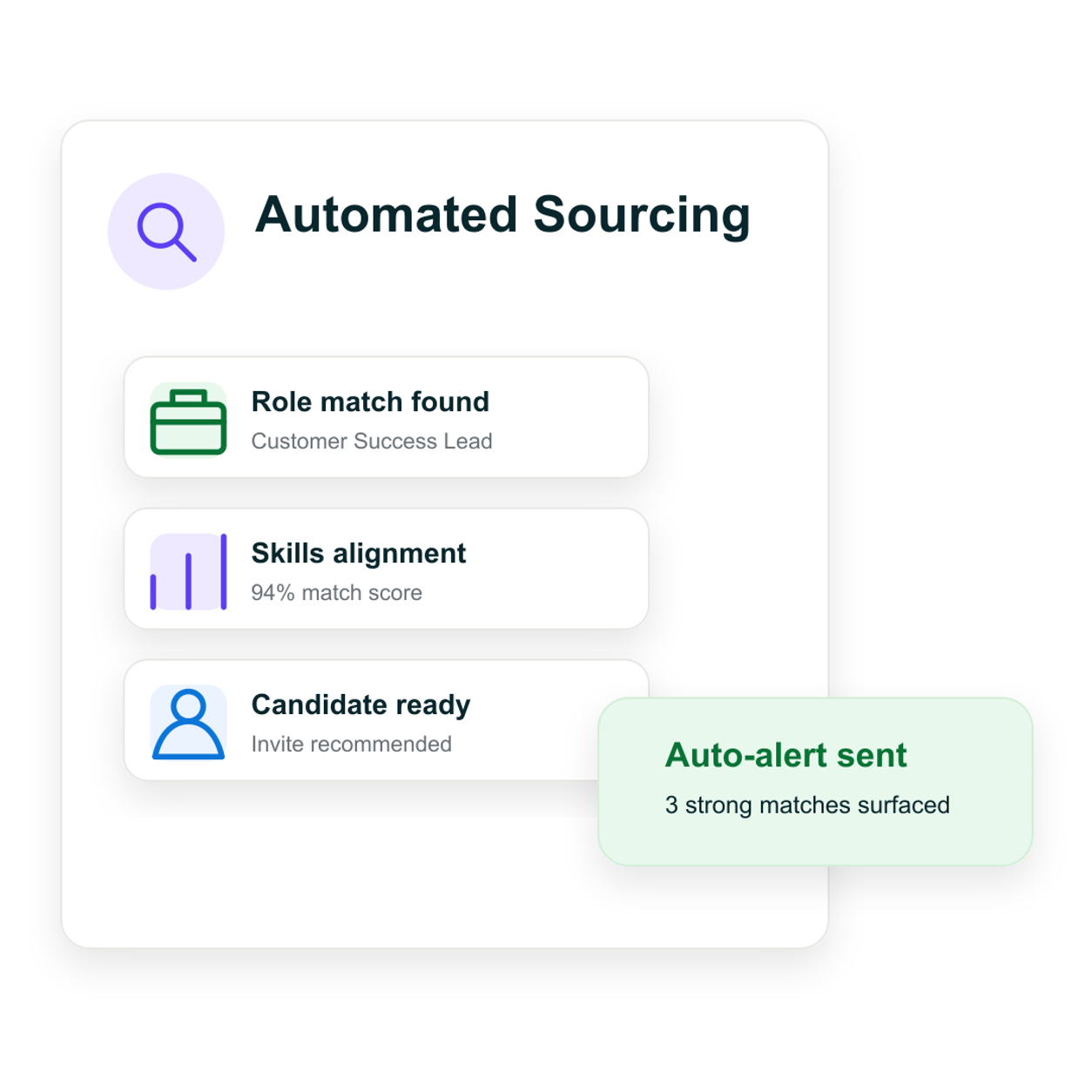
Stronger Employee Momentum
Support a more productive transition experience and reduce the need for repeated manual redirection.
“The Career Path Explorer showed me three roles I hadn't considered — two in adjacent industries and one in a completely different function where my skill overlap was 78%. I was interviewing within five weeks.”
Tara Krishnan, Transitioning Employee, Previously at Helio Data
FAQ
Discovery and matching, clarified.
Ture aggregates roles from across the web, from internal postings your organization shares, and from the Talent Exchange where employers discover transition candidates by skills. The matching engine ranks roles by skills fit, transferable capabilities, and the participant's goals — not by keyword noise.
The engine compares the participant's SkillsID profile against job requirements using skills overlap, adjacency, and proficiency signals. It prioritizes roles where the participant has strong transferable skills — even if the job title is different from their previous role.
Yes. Participants can filter by location, remote eligibility, salary range, industry, and role type. Filters refine the ranked list — they do not replace the skills-based ranking that powers discovery.
The job index updates continuously. Participants get fresh recommendations as new roles are posted and as their SkillsID evolves — for example, after completing a course or adding new experience.
Yes. Internal postings appear alongside external roles so participants see internal mobility opportunities first. This is how Ture connects transition to redeployment — the same skills foundation surfaces internal matches before external ones when configured.
Make role discovery skills-first, not keyword-first.
Help participants focus on better-fit opportunities and bring more structure to role discovery across the transition program.